
Reconnecting Children with Nature: The Importance of Outdoor Learning
In today’s digital world, children are spending less time outdoors than ever before. This growing disconnect from nature has been described by journalist Richard Louv as Nature Deficit Disorder (NDD). While not a medical diagnosis, NDD highlights the risks to children’s physical health, emotional wellbeing, creativity, and social development when they lack regular contact with the natural world.
What Causes Nature Deficit?
Several factors contribute to children’s reduced time in nature:
- Screens and Technology: Video games, tablets, and social media often replace outdoor exploration.
- Parental Concerns: Worries about safety, strangers, or illness keep children indoors.
- Limited Green Spaces: Urban development fragments natural areas, restricting opportunities for play and exploration.
The Benefits of Outdoor Learning
Regular outdoor learning is more than a fun activity—it is vital for children’s growth:
- Physical Health: Running, climbing, and exploring strengthen muscles, coordination, and overall fitness.
- Cognitive Development: Nature encourages problem-solving, creativity, attention, and memory.
- Emotional Wellbeing: Outdoor play reduces stress, builds confidence, and supports resilience.
- Social Skills: Children learn cooperation, communication, and empathy through unstructured play.
- Sensory Engagement: Nature stimulates sight, sound, touch, and smell, enriching learning experiences.
How our Farm-Based Waldorf Education Helps
Our Waldorf school based on Rosemary Hill Farm provides daily, immersive interaction with the natural world:
- Nature as the Classroom: Gardens, forests, ponds, and open fields form the primary learning environment.
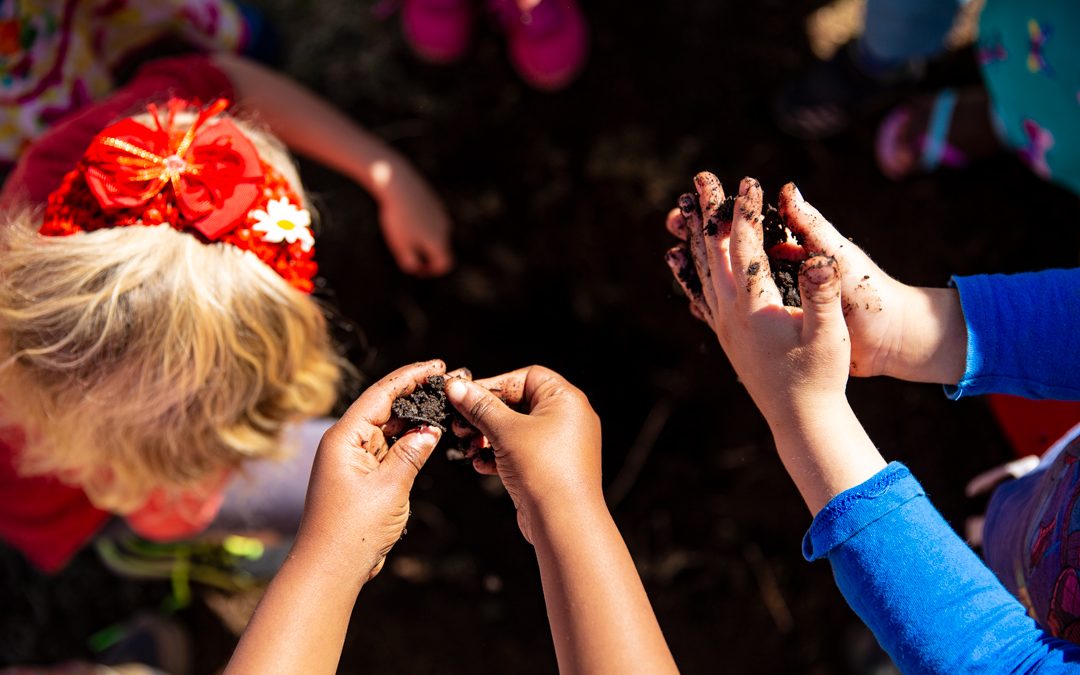
- Child-Led Exploration: Natural elements like mud, water, rocks, and plants encourage imaginative play and problem-solving.
- Hands-On Responsibility: Feeding animals and tending gardens teaches care, respect, and stewardship.
- Holistic Development: Outdoor learning supports physical, emotional, cognitive, and social growth simultaneously.
- Urban Children Benefit: Children who may have limited access to green spaces reconnect with the world outside screens and concrete.
Conclusion
Outdoor learning is essential for healthy childhood development, it not only reconnects children with nature but also nurtures their imagination, creativity, and sense of wonder. By experiencing the natural world every day, children build a strong foundation for lifelong wellbeing, curiosity, and a lasting relationship with the environment.
At our Waldorf school, children don’t just learn—they grow with nature.