
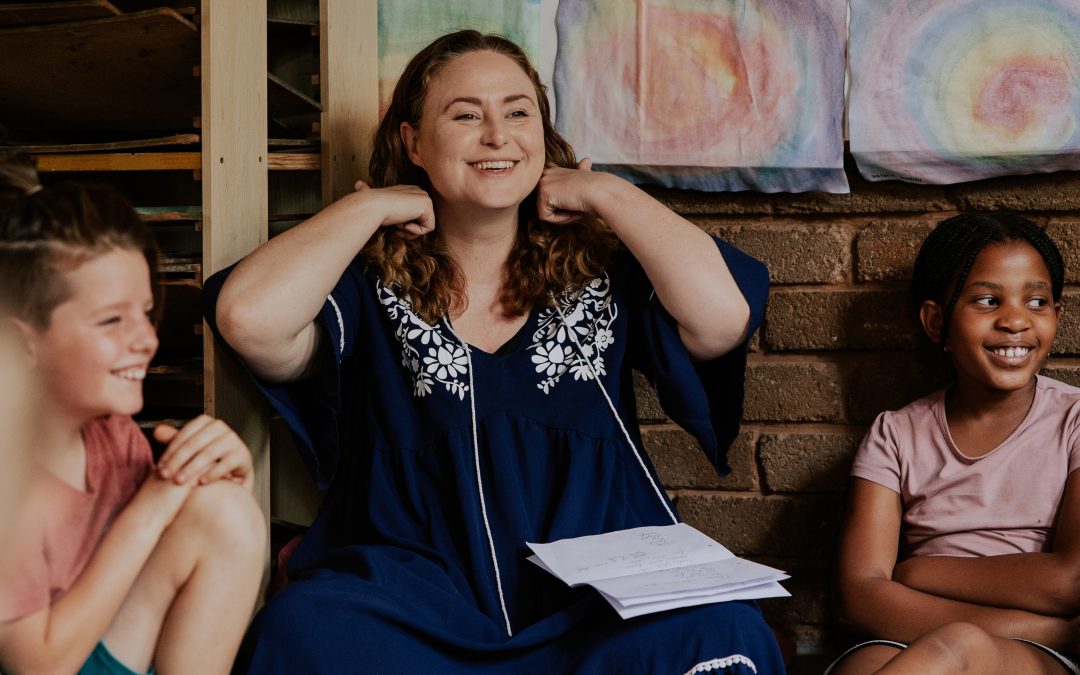
From Kindergarten to Primary School
In Waldorf education, we believe that true learning begins with relationship – the kind of deep, respectful connection that grows between teacher and child over time. Whether in the Kindergarten or in the Primary School years, this approach offers children something increasingly rare in today’s world: the gift of being known, truly and wholly, just as they are.
Kindergarten: Where Trust Begins
In early childhood, the foundations for lifelong learning are laid – not through early academics, but through warmth, rhythm, play, and above all, trust.
In our Waldorf Kindergartens, teachers work to build strong, nurturing relationships with each child. Through consistent routines, gentle guidance, and a deep understanding of childhood development, a sense of security and belonging is formed.
This trusted connection doesn’t just support emotional wellbeing – it lays the groundwork for learning that is self-motivated and joyful.
A Continuum of Care in the Primary School
As children transition into the primary years, Waldorf schools offer a rare continuity: the same teacher often stays with a class for multiple years – sometimes from Class 1 through to Class 7. This practice, known as looping, creates a stable learning environment where children feel deeply seen and supported.
The long-term relationship between teacher and student enables:
- Teaching that aligns with a child’s unique rhythm
- Observational assessment, not early testing
- A curriculum that grows with the child
- Emotional and social stability through developmental changes
There’s no pressure for every child to be at the same place at the same time. Instead, learning becomes a journey that honours who the child is, not just what they can do.
What the Research Says
Modern research supports what Waldorf education has practised for more than a century. In a 2023 article for The New York Times, organisational psychologist Adam Grant highlights how countries like Finland and Estonia—global leaders in education—regularly use looping as part of their teaching model.
Citing studies from the U.S., Grant writes:
“Every child has hidden potential. It’s easy to spot the ones who are already sparkling, but many students are uncut gems. When teachers stay with their students longer, they can see beyond the surface and recognise the brilliance beneath.”
The data suggests that looping leads to measurable academic gains, especially for children who may not initially excel in traditional assessments. The longer a teacher works with a student, the more likely they are to support not just achievement, but real growth – emotional, social, and intellectual.
This insight echoes the Waldorf approach, where education is not rushed but unfolds in harmony with each child’s readiness.
A Different Path
When a teacher knows a child well, assessment isn’t something done to the child – it becomes part of a supportive and long-term learning relationship. This is not a special feature in Waldorf education. It’s the foundation.
In a world of increasing pressure, constant evaluation, and hurried childhoods, Waldorf schools offer something profoundly different: time, relationship, and trust.
From the first steps in Kindergarten to the final projects in the primary years, we walk beside each child—not just as educators, but as companions on the journey of becoming.
Because when a child feels safe, seen, and known, they don’t just learn.
They flourish.