
In Waldorf education, we understand that resilience is not built by simply “getting through” hardship. True resilience grows when children face meaningful challenges—ones they care about—supported by loving relationships and a strong sense of purpose. It begins in the kindergarten years and is nurtured throughout the grades, forming a steady foundation for lifelong learning and well-being.
Resilience is often misunderstood as the ability to endure stress or pressure. But real resilience isn’t about enduring for the sake of it. It’s about discovering inner strength through purposeful struggle. When a child is guided through a difficult task they care about—whether baking bread, learning to knit, or preparing for a class performance—they gain not just skill, but confidence, patience, and pride in their effort.
Kindergarten: The Seeds of Resilience
In the early years, young children need security, rhythm, and connection to thrive. The Waldorf Kindergarten provides all of these in a warm, unhurried environment where resilience grows naturally.
Purposeful Challenges
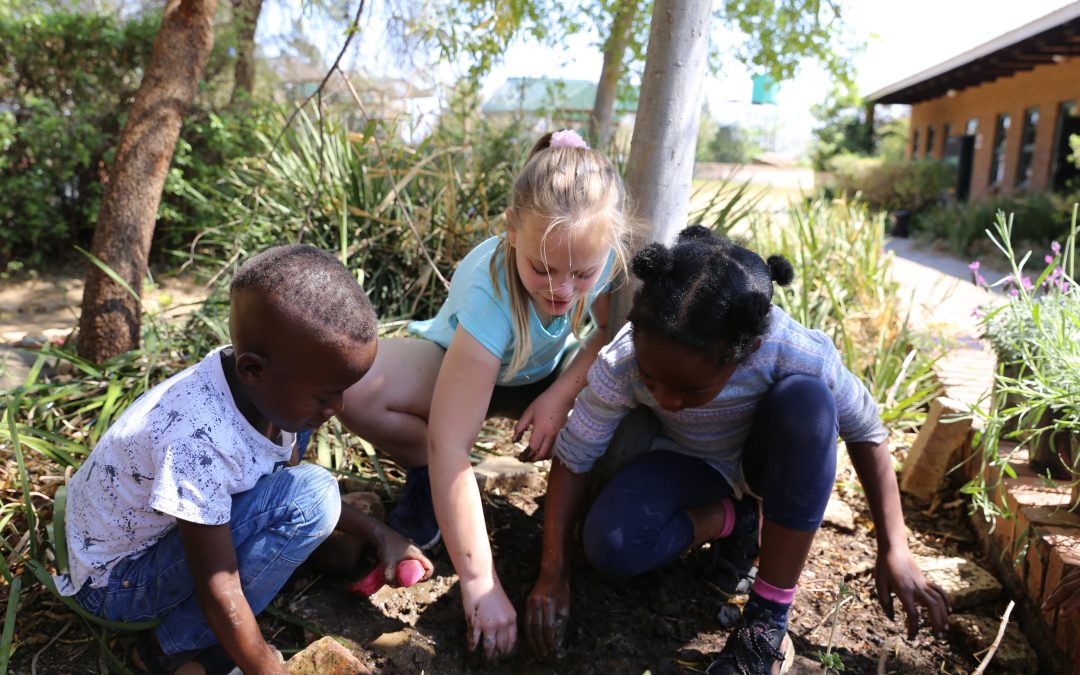
Activities such as kneading dough, tying simple knots, or tending the garden are not just playful tasks—they’re deeply satisfying work for the young child. When children see the bread they helped bake rising in the oven, or the garden sprouting because they helped water it, they feel real accomplishment. These successes build genuine self-esteem and help children learn that effort brings results.
Warm Relationships
Teachers meet children with warmth, consistency, and emotional attentiveness. In this secure environment, children are free to make mistakes and try again. They learn that frustration isn’t failure—it’s part of the process. Over time, they develop the courage to face new situations and persist through challenges.
Rhythm and Readiness
A gentle daily rhythm—alternating between free play, purposeful activity, movement, artistic expression, and rest—supports a child’s natural development and emotional regulation. The incorporation of seasonal rhythms further connects children to the larger cycles of life, helping them understand that difficult moments will pass, and renewal always follows.
Primary School: Deepening Resilience Through Meaningful Work
As children move into the different grades, the foundation built in kindergarten supports their growing ability to engage with more structured academic challenges. Waldorf primary education continues to foster resilience through developmentally appropriate, integrated learning.
Long-Term Projects
From handwork like knitting and sewing to class plays and artistic assignments, children are regularly involved in projects that require patience and follow-through. The satisfaction of completing something over time strengthens their inner motivation and perseverance.
Balanced Learning
Each day includes a balance of academic focus, artistic engagement, movement, and storytelling. This integrated approach keeps learning alive and prevents the mental and emotional fatigue that often leads to disengagement. Children remain curious, capable, and resilient in their approach to learning.
Stable Teacher Relationships
Class teachers often stay with the same group of children for multiple years, forming deep, trusting relationships. These bonds provide emotional safety that empowers children to take risks, make mistakes, and meet new challenges with confidence.
A Broader Context
Nature, seasonal festivals, and cultural stories are woven throughout the curriculum. This grounding in the rhythms of the earth and human history helps children see their own experiences as part of a greater whole—where struggle and growth are natural companions.
Why It Matters
In both the Kindergarten and the grades, Waldorf education does not build resilience by forcing children to “toughen up.” Instead, we create an environment where children feel safe enough to try hard things, fail sometimes, and keep going—because they see value in the process. This kind of purposeful struggle fosters not just academic readiness, but emotional intelligence, self-regulation, and the quiet confidence that they can meet the world with strength and integrity.
When we support children through meaningful challenges with care and connection, we are preparing them not just for tests or transitions—but for life.
“The Waldorf approach gives children more than knowledge—it gives them the tools to face life with courage, creativity, and resilience.”